
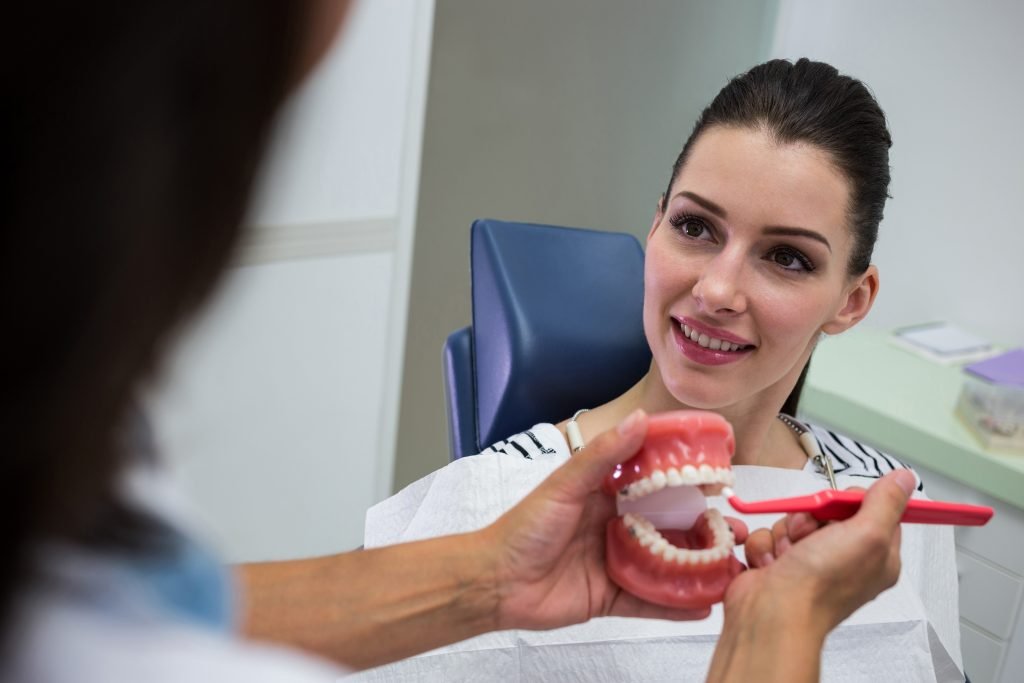
Getting fitted for dentures is, for most people, a process wrapped in uncertainty. There are questions before the first appointment, nerves on the day, and quite often, not enough clear information about what actually happens at each stage. That matters, because understanding the process makes it considerably easier to get through.
The denture fitting process involves several crucial steps, and each one builds on the last. Miss or rush one, and the final result suffers. This guide walks through every stage, from your first consultation to the moment your new dentures are placed, so you know exactly what to expect.
Your Initial Consultation: Where Everything Begins
The first denture appointment is less about treatment and more about assessment. Your dentist will examine your gums, check the condition of any remaining teeth, and review your dental history. It’s fairly thorough, and rightly so.
A few key things get covered in this session:
- Which type of dentures suits your situation (full, partial, or implant-supported)
- Whether any extractions are needed before the fitting process can begin
- Your expectations around how the dentures should look and function
- A rough timeline from impressions to final fitting
What If You Still Have Teeth to Remove?
This is something a lot of articles skip over. If extractions are required first, your dentist will explain whether immediate dentures or conventional dentures are the better route for you. Immediate dentures are placed on the same day as extractions; conventional dentures are made after the gums have had time to heal, usually eight to twelve weeks. That healing period directly affects the fit of your final dentures, so it’s a decision worth taking seriously.
Taking Denture Impressions: Mapping Your Mouth
Once the initial consultation is complete and a treatment plan is agreed, the dentist will begin taking denture impressions of your mouth. This is perhaps the most technically important stage in the whole process. A soft, mouldable material is placed in a tray and pressed gently against your gums and any remaining teeth, capturing their exact shape and contour. It takes a few minutes and feels a little unusual, though most patients manage it without much trouble.
These impressions become the blueprint for your custom dentures. The more accurate they are, the better the fit. Simple as that.
Bite Registration: The Step Most People Don’t Expect
Beyond impressions, your dentist will also record how your upper and lower jaws relate to each other. This is called bite registration, and it’s genuinely critical. Without accurate jaw records, even precisely crafted dentures can leave patients with chewing difficulties, facial discomfort, or an uneven bite. It adds a bit of time to the appointment, but it’s not a step worth skimping on.
Digital Scanning as an Alternative
At Symeou Dental Center, digital scans are available as an alternative to traditional impression trays. These provide a more precise reading of your mouth’s structure and tend to be more comfortable for patients who find the tray-based method difficult.
The Wax Try-On: A Preview Before Production
After the lab has produced a working model, you’ll be given another appointment to try on a set of trial dentures. These are sometimes called “try-on dentures” or wax dentures, and they’re essentially a rehearsal for the final version.
At this stage, you and your dentist will assess:
- Whether the fit feels comfortable against your gums
- How the bite alignment feels when you close your mouth
- How the shape and colour of the teeth look on your face
Speak Up at This Stage
If something feels off, even slightly, say so. Adjustments made during the wax try-on are straightforward compared to modifications needed after the final dentures have been made. That said, some sensations, like the way the dentures press against your tongue, will feel different once you’re wearing the finished product. Your dentist can help you distinguish between what’s normal and what genuinely needs attention.
The Final Fitting: Placing Your New Dentures
Once the wax try-on is approved, your custom dentures are crafted, and you’ll be called back for the final fitting. For most patients, this is the appointment they’ve been waiting for.
Your dentist will carefully place your new dentures in your mouth, checking the fit from multiple angles. The sensation should be snug, not painful. Small on-the-spot adjustments are common at this stage and nothing to worry about.
Here’s what gets checked before you leave:
| What’s Assessed | Why It Matters |
| Fit and stability | Dentures should sit securely without rocking |
| Bite alignment | Upper and lower dentures must meet correctly |
| Comfort | No areas should be pressing hard against the gums |
| Speech | Speaking should feel close to normal |
| Appearance | Colour, shape, and visibility when smiling |
Your dentist will also walk you through how to insert and remove the dentures properly, which, with partial dentures in particular, does take a bit of practice initially.
Adjusting to Life With Your New Dentures
Perhaps the most underestimated part of the whole process. The first few weeks with new dentures require patience, and it’s worth being honest about that rather than glossing over it.
Common experiences in the adjustment period include:
- Excess saliva production, which tends to settle after a week or so
- Mild gum soreness, particularly in areas where the dentures press during eating
- Slight difficulty with certain sounds or words
- A general feeling of fullness or bulk in your mouth
None of these is a cause for concern on its own. Starting with soft foods and gradually reintroducing firmer textures helps the process along. Eating with new dentures takes a bit of getting used to, especially learning to chew evenly on both sides rather than biting from the front.
When to Get in Touch With Your Dentist
If sore spots persist beyond two weeks, or the dentures feel noticeably loose, contact your clinic. Some degree of relining is expected, especially when extractions were performed beforehand, as gum tissue changes shape during healing. A minor adjustment early on is far simpler than waiting until the problem worsens.
Questions Worth Asking at Your Appointment
Competitors tend to offer fairly generic question lists. These are more specific to the denture fitting process, and worth raising directly with your dentist:
- How long is the expected gap between impressions and the final fitting?
- Should I use a denture adhesive during the adjustment period, and if so, for how long?
- At what point does looseness indicate a fitting problem rather than normal adjustment?
- What’s the expected lifespan of my dentures before relining or full replacement is needed?
- If I want to switch to dental implants further down the line, is that possible?
That last question matters. Dentures and dental implants are not mutually exclusive, and having a clear picture of your long-term options helps you make a more informed decision now rather than later.
Follow-Up Appointments and Ongoing Care
The fitting appointment is not the end of the denture procedure, not really. Follow-up visits are built into the treatment for good reason. They allow your dentist to monitor how the gums are adapting, make any necessary adjustments to the fit, and catch potential oral health issues early.
A general follow-up schedule after fitting:
- First visit: One to two weeks after placement
- Three-month check: To assess gum changes and denture stability
- Annual review: Ongoing, or sooner if any discomfort arises
Caring for Your Dentures Between Appointments
Daily cleaning, overnight soaking, and avoiding particularly hard or sticky foods in the early weeks all make a meaningful difference. Your dentist will provide care instructions tailored to your specific dentures at the final fitting, so follow their guidance rather than relying on general advice.
FAQs
Do denture fittings hurt? The fitting itself is not painful. Taking impressions can feel a little uncomfortable if you have a sensitive gag reflex, and the wax try-on may feel strange, but neither stage should cause real pain. Once the final dentures are placed, mild gum soreness in the first week or two is common. This typically settles on its own. Persistent discomfort is worth mentioning to your dentist, as it usually indicates a minor adjustment is needed rather than anything serious.
How long does the full denture process take from start to finish? For conventional dentures, the process typically takes six to ten weeks from the initial consultation to the final fitting. This includes time for impressions, lab fabrication, the wax try-on, and any adjustments. If extractions are required beforehand, the timeline extends by the healing period, which is usually eight to twelve weeks. Immediate dentures can reduce waiting time significantly, though they often require more follow-up relining as the gums settle and change shape.
Can I have dentures made if some of my natural teeth are still present? Yes, partial dentures are designed specifically for patients who still have some of their own teeth. They clip onto remaining teeth using metal or flexible clasps and fill the gaps left by missing ones. Your dentist will assess whether the remaining teeth are strong enough to support a partial denture and whether any restorative treatment is needed first. In some cases, a few compromised teeth may need to be removed before the denture procedure begins.
How do I know if my dentures fit correctly after the final appointment? Well-fitting dentures should feel stable when you speak, eat, and smile. They should not rock, slip, or cause consistent pressure on any one area of the gum. Some initial looseness is normal as your mouth adapts, but if the dentures feel unstable or are causing sore spots after two weeks of regular wear, they likely need a reline or adjustment. Never attempt to modify dentures at home. Even small changes can affect the bite and cause longer-term discomfort.
What is the difference between a reline and a full replacement? A reline involves adding new material to the fitting surface of your existing dentures to improve how they sit against your gums, which change shape over time as the jaw bone adjusts to missing teeth. A full replacement is needed when the denture base itself has worn, broken, or when the changes in your mouth are too significant for relining to address properly. Most dentures last between five and ten years before full replacement becomes the more practical option.
Ready to Start Your Denture Fitting in Cyprus?
At Symeou Dental Center, our team guides patients through every stage of the process, from the very first consultation through to the final fitting and beyond. Whether you’re getting dentures for the first time or looking to improve the fit of an existing set, we’re here to make the experience as straightforward and comfortable as possible.
Contact us today to book your denture consultation.

 English
  Ελληνικά