
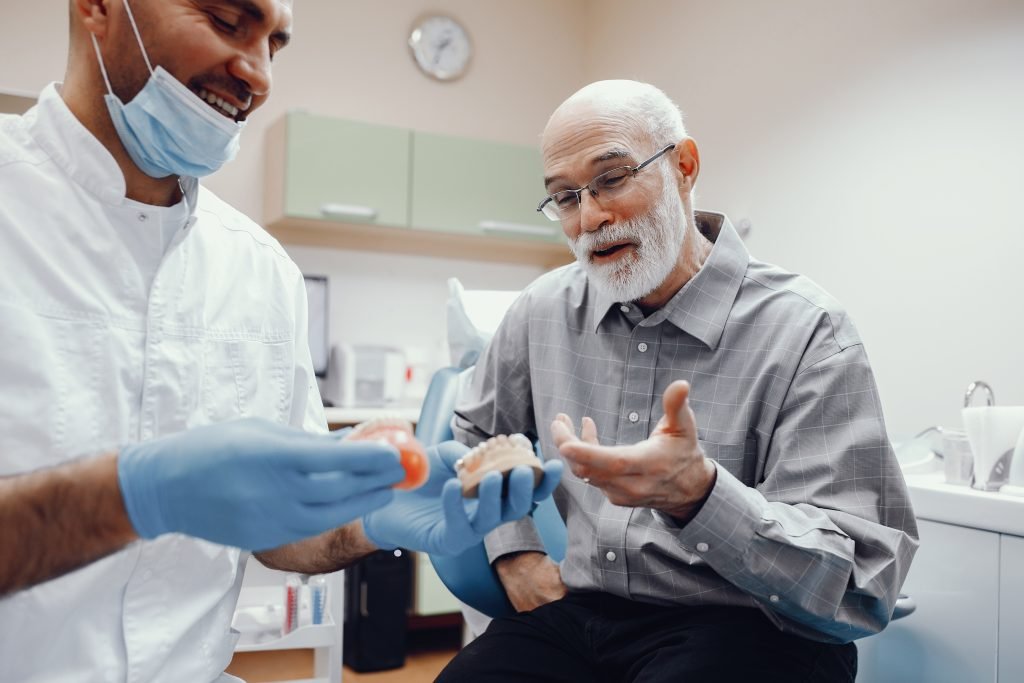
It’s one of the first questions people ask after getting dentures: how long will these actually last? And the honest answer is that it depends on quite a few things, some of which are within your control and some of which simply aren’t.
So here’s a proper look at denture lifespan, what shortens it, what extends it, and how to know when yours are approaching the end of their useful life.
How Long Do Dentures Last: The Short Answer
As a general guide, most dentures need to be assessed, relined, or replaced somewhere between five and ten years after fitting. Full dentures last anywhere from five to ten years under typical conditions. Partial dentures can sometimes extend beyond that, in some cases reaching 12 to 15 years, though this depends heavily on the materials used and how the supporting teeth hold up over time.
Denture lifespan can vary considerably from one patient to the next. Two people fitted for the same type of dentures at the same time by the same dentist can have very different experiences a decade later. Daily habits, oral health, and natural changes in jaw structure all play a part.
| Denture Type | Typical Lifespan | Notes |
| Full (complete) dentures | 5 to 10 years | Most common type; affected by bone resorption over time |
| Partial dentures | 8 to 15 years | Longevity linked to the health of remaining teeth |
| Acrylic dentures | 5 to 8 years | Lighter but less durable than metal-frame options |
| Implant-supported dentures | 10 to 20+ years | More stable; less affected by jaw bone changes |
| Immediate (temporary) dentures | A few months | Designed as a short-term solution only |
These figures are averages, not guarantees. Your dentist is the most reliable source for guidance on where your specific dentures are in their lifecycle.
Why Dentures Don’t Last Forever
This is perhaps the part that catches denture wearers off guard. It’s not just wear and tear on the dentures themselves that causes problems; it’s what’s happening inside your mouth.
After teeth are removed, the jawbone begins to resorb, gradually changing shape as it no longer has tooth roots to support. This process is continuous and, over years, means the gum tissue and underlying bone change enough that the dentures, which were made to fit a different shape, no longer sit as accurately as they once did.
False teeth may look the same as they did five years ago, but the mouth they sit in has changed. This is one of the main reasons why even well-maintained dentures eventually need relining or full replacement.
Full Dentures vs Partial Dentures: A Different Lifespan Story
Full dentures and partial dentures age differently, and it’s worth understanding why.
Full Dentures
Complete dentures replace all teeth in an arch and rest directly on the gum tissue. Because there are no natural teeth involved, bone resorption tends to progress more quickly, which means the fit degrades faster. Most patients find that full dentures need relining within five to seven years, even with careful daily care.
Partial Dentures
Partial dentures rely on the remaining natural teeth for support. This actually slows bone loss in the areas where roots are still present. The partial itself may last longer as a result, though its longevity is closely tied to the health of those supporting teeth. If one of the anchor teeth develops decay or needs extraction, the partial may need to be remade entirely, regardless of its age.
What Shortens Denture Lifespan
Some habits and conditions accelerate wear more than most people realise. A few worth knowing about:
- Grinding or clenching: Bruxism places significant stress on denture teeth and can wear them down far faster than normal use. Patients who grind at night often find their false teeth deteriorate years ahead of schedule.
- Smoking: Beyond staining, smoking affects gum tissue health and circulation, which can accelerate the bone and tissue changes that cause dentures to lose their fit.
- Dropping them: Acrylic dentures, in particular, are vulnerable to cracking or chipping on impact. Even a short drop onto a hard bathroom floor can cause fractures that compromise the structure.
- Improper cleaning products: Bleach, abrasive toothpaste, and hot water all gradually damage the surface and base material. The damage may not be immediately visible, but it accumulates.
- Skipping routine dental check-ups: Small fit issues, caught early, can often be corrected with a simple reline. Left unchecked, they become larger structural problems that require full replacement.
Relining, Rebasing, and Replacing: Which One Does Your Denture Need?
Not every problem requires a completely new set. Understanding the difference between the available options helps patients make more informed decisions about treatment.
Relining
Relining involves adding a new layer of material to the fitting surface of the existing denture, the part that sits against the gum. It doesn’t change the teeth themselves, just reshapes the base to better match the current contours of the gum tissue. Dentures can often be relined in a single appointment.
Rebasing
Rebasing goes a step further. The entire denture base is replaced while keeping the existing prosthetic teeth. It’s a good option when the base has degraded but the teeth are still in sound condition.
Full Replacement
Replacement dentures become necessary when the base and teeth are both worn, when the jaw bone has changed too significantly for relining to restore proper function, or when the denture has been physically damaged beyond repair. Most dentures should last through at least one reline before full replacement becomes necessary, but this varies.
The Role of Implants in Extending Denture Longevity
Implants are worth mentioning here, even briefly. Implant-supported dentures last considerably longer than conventional ones, largely because the implants themselves preserve the jaw bone and prevent the resorption that gradually undermines the fit of standard dentures.
For patients who are concerned about replacing dentures repeatedly over time, or who find conventional dentures uncomfortable as their jaw changes, implant-supported options offer a more stable long-term solution. The upfront cost is higher, but the lower replacement frequency and improved comfort often make this a worthwhile consideration.
At Symeou Dental Center, our team can advise on whether implants are a suitable option based on your bone density, health history, and long-term dental goals.
Signs Your Dentures Need Professional Attention
Denture wearers often push through minor discomfort longer than they should. Some things genuinely do settle during the adjustment period, but others are signs that something needs addressing. Here’s how to tell them apart.
See your dentist if you notice:
- Dentures feel noticeably looser than they did six months ago
- Persistent sore spots or gum irritation that has lasted more than two weeks
- Clicking sounds when you speak or eat
- Visible chips, cracks, or discoloration on the prosthetic teeth
- Difficulty chewing foods you previously managed without trouble
- A change in your facial appearance, particularly around the lower jaw
Any of the above warrants a check-up rather than waiting for your next scheduled appointment. Catching fit problems early means more options and usually lower treatment costs.
How to Extend the Life of Your Dentures
Proper care genuinely makes a difference. Dentures should last well beyond the minimum expected range with the right habits in place.
The essentials:
- Clean them daily with a soft-bristled brush and a dedicated denture cleanser. Avoid anything abrasive.
- Soak them overnight in cold water or a soaking solution every night without fail.
- Handle them over a soft surface when cleaning; drops cause more damage than most people expect.
- Attend regular dental check-ups so fit issues are identified early.
- Never attempt to repair cracks or breaks at home with household adhesives; this almost always causes irreversible damage.
- Store them properly when not in use, never left dry on a surface.
Good denture care isn’t especially complicated. It mostly comes down to consistency.
When Replacement Is the Right Decision
There’s sometimes reluctance to replace dentures, particularly given the cost. But wearing dentures past their functional lifespan carries real oral health consequences.
Ill-fitting dentures that are not replaced can contribute to:
- Chronic gum irritation and ulceration
- Accelerated bone loss beneath the denture base
- Difficulty eating, which affects nutrition over time
- Fungal infections on the palate, particularly in patients with full upper dentures
The American College of Prosthodontists recommends that all removable dentures be assessed by a dental professional for possible replacement if they are more than five years old and showing any signs of poor fit, structural wear, or discomfort. This doesn’t mean every five-year-old denture needs replacing; it means they need a professional assessment, not a patient’s guess.
FAQs
Can dentures last 20 years? In rare cases, yes, though this is the exception rather than the rule. Implant-supported dentures have the best chance of reaching or exceeding twenty years, particularly when paired with consistent care and regular dental check-ups. Conventional full dentures lasting that long would almost certainly have needed relining or rebasing multiple times along the way. For most patients, ten years of good service from a well-made, well-maintained set of dentures is a realistic and positive outcome.
Does wearing dentures at night shorten their lifespan? Wearing dentures continuously, including at night, does accelerate wear on both the prosthesis and the gum tissue beneath it. Most dentists advise removing dentures overnight to allow the gum tissue to rest and recover. Doing so also allows a full overnight soak, which extends the life of the material. If you have a specific medical or comfort reason for wearing them at night, discuss this with your dentist rather than making the decision independently.
How do I know if my dentures need relining rather than replacing? A reline is usually appropriate when the denture base and prosthetic teeth are still in good structural condition but the fit has loosened due to gum and bone changes. If the teeth themselves are worn down, chipped, or discoloured, or if the base material has cracked or degraded significantly, full replacement is more likely the right path. Your dentist will assess both the denture and your current gum profile to determine which option makes more clinical sense.
Do partial dentures last longer than full dentures? Generally, yes, though not always. Partial dentures benefit from the presence of natural teeth, which slow bone resorption and help anchor the prosthesis more stably. This can push their usable life toward ten to fifteen years. However, if the supporting teeth deteriorate or need extraction, the partial’s lifespan becomes closely tied to that health outcome. A partial that outlasts its anchor teeth may need to be remade as a full denture, regardless of its own condition.
Is it worth investing in higher-quality dentures for better longevity? In most cases, yes. Better materials, particularly cast metal frameworks for partial dentures and higher-grade acrylic for full sets, tend to hold their shape more accurately and resist wear more effectively over time. The difference in upfront cost is often recovered through fewer relines, fewer repairs, and a longer gap before replacement becomes necessary. A professional consultation at Symeou Dental Center can help you understand which material and construction options make the most sense for your situation and budget.
Unsure Whether Your Dentures Still Fit Well? Let Our Team Take a Look.
At Symeou Dental Center in Cyprus, we assess both the condition of your dentures and the health of your gum tissue to give you an honest picture of where things stand. Whether your dentures need a simple reline, a repair, or it’s time to discuss replacement options, we’ll walk you through exactly what’s needed and why.

 English
  Ελληνικά