
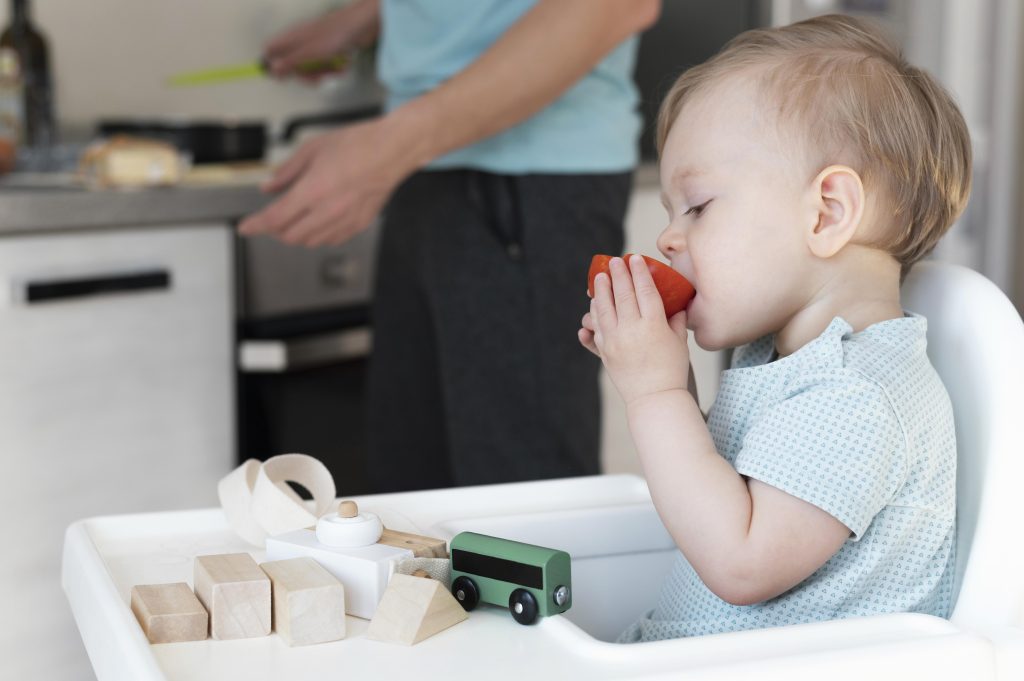
Teething is one of the earliest and most talked-about milestones in a baby’s development. For many parents, it marks the beginning of new routines, new concerns, and many questions. When will the first tooth appear? Is my baby in pain? How can I help? Understanding when babies start teething and what to expect can help parents feel more confident and prepared during this important stage of early childhood.
This article explores the typical teething timeline, common symptoms, myths and misconceptions, ways to soothe teething discomfort, and the importance of early dental care for infants.
What Is Teething?
Teething is the process by which a baby’s primary teeth, also known as baby teeth or milk teeth, emerge through the gums. Babies are born with all 20 primary teeth already formed beneath the gums. Teething begins when these teeth start to move upward and break through the gum tissue.
Although teething is a natural and necessary process, it can cause discomfort for some babies, particularly during the days just before a tooth erupts. For others, the process is barely noticeable.
When Do Babies Typically Start Teething?
Most babies begin teething between 4 and 7 months of age, but there is a wide range of normal. Some babies may show early signs as young as 3 months, while others may not get their first tooth until 10 to 12 months or even later.
Delayed teething is usually not a cause for concern, especially if your baby is otherwise developing normally. Genetics often play a role, and parents who teethed late as babies may notice the same pattern in their children.
Typical Teething Timeline
While every child is different, the following timeline is common:
- 6–10 months: Lower central incisors (bottom front teeth)
- 8–12 months: Upper central incisors (top front teeth)
- 9–13 months: Upper lateral incisors
- 10–16 months: Lower lateral incisors
- 13–19 months: First molars
- 16–23 months: Canines (pointed teeth)
- 23–33 months: Second molars
By the age of 2½ to 3 years, most children have all 20 primary teeth.
Signs and Symptoms of Teething
Teething symptoms can vary significantly from one baby to another. Some babies experience minimal discomfort, while others may show noticeable signs. Common teething symptoms include:
- Increased drooling
- Swollen, red, or tender gums
- A desire to chew or bite on objects
- Fussiness or irritability
- Difficulty sleeping or changes in sleep patterns
- Rubbing the cheeks or pulling at the ears
It is important to remember that teething does not usually cause severe symptoms. High fever, vomiting, diarrhea, or prolonged crying are not typical signs of teething and may indicate illness. If these symptoms occur, parents should consult a pediatrician or healthcare professional.
Teething Myths and Misconceptions
Teething has long been associated with a variety of symptoms, many of which are not supported by medical evidence. Understanding the facts can help parents avoid unnecessary worry.
Myth: Teething causes high fever
Mild temperature changes may occur, but a high fever is not caused by teething.
Myth: Teething causes diarrhea
While drooling may slightly change stool consistency, diarrhea is not a normal teething symptom.
Myth: All babies experience pain when teething
Some babies experience discomfort, but others may show little to no distress.
Recognizing what is normal, and what is not, can help parents respond appropriately during the teething period.
How Long Does Teething Last?
Teething is a gradual process that occurs over several years. Each tooth may cause discomfort for a few days before and after it erupts, but the intensity often varies. Periods of discomfort may come and go as different teeth emerge.
While teething typically begins in infancy, it usually continues until the last primary molars appear around 2 to 3 years of age.
Safe and Effective Ways to Soothe a Teething Baby
There are several proven methods to help relieve teething discomfort safely:
Gum Massage
Gently rubbing your baby’s gums with a clean finger can help reduce pressure and provide comfort.
Teething Rings
Chilled (not frozen) teething rings can help soothe sore gums. Avoid rings filled with liquid that could leak.
Cold Washcloth
A clean, damp washcloth placed in the refrigerator can be offered for your baby to chew on under supervision.
Keep the Mouth Dry
Excess drool can irritate the skin around the mouth. Gently wiping the face and using a protective barrier cream can help prevent rashes.
Parents should avoid teething necklaces, amber beads, or topical numbing gels that are not recommended by dental or medical professionals, as these can pose safety risks.
Oral Care During Teething
Even before the first tooth appears, oral hygiene is important. Gently wiping your baby’s gums with a clean, damp cloth after feedings helps remove bacteria and establishes healthy habits early.
Once the first tooth emerges:
- Use a soft, age-appropriate toothbrush
- Brush twice daily using a smear of fluoride toothpaste (about the size of a grain of rice)
- Avoid putting your baby to bed with a bottle containing milk or juice
Good oral care during infancy helps prevent early childhood cavities and promotes healthy tooth development.
When Should Babies First See a Dentist?
Dental professionals recommend scheduling a baby’s first dental visit when the first tooth appears or by the child’s first birthday, whichever comes first. Early dental visits allow the dentist to monitor development, identify potential concerns, and guide parents on proper oral hygiene and feeding practices.
Early visits also help children become familiar with the dental environment, reducing anxiety and encouraging positive experiences in the future.
Pediatric Dental Care at Symeou Dental Center
At Symeou Dental Center in Nicosia, we believe that healthy smiles begin from the very first tooth. Our pediatric dental services are designed to support infants, toddlers, and children through every stage of oral development, starting with teething and early dental care.
Our experienced team provides gentle, preventive care in a warm, child-friendly environment. We work closely with parents to offer guidance on teething, brushing techniques, cavity prevention, and healthy habits that promote lifelong oral health. By introducing children to dental care early, we help build confidence, comfort, and positive associations with visiting the dentist.
If you have questions about teething or would like to schedule your child’s first dental visit, the team at Symeou Dental Center is here to support your family every step of the way.
 English
  Ελληνικά